
You started your nonprofit to make a difference, not to spend half your week chasing down people to show up on Saturday. But here you are, sending your third follow-up to the same five volunteers who always come through, wondering how other organizations seem to build these thriving volunteer communities while you’re still piecing together a crew from scratch every event!
I’ve been there. Co-founding a nonprofit taught me fast that even the most compelling mission in the world doesn’t automatically attract the hands you need to carry it out. Volunteer recruitment is a skill, one that almost nobody teaches and most organizations learn the hard way.
Here’s the thing: right now, in April, you have an advantage you don’t get in any other month. National Volunteer Month brings a genuine surge of civic energy. People are actively looking for ways to get involved. The door is open wider than it will be at any other point this year, and the organizations that know how to walk through it are the ones building year-round volunteer pipelines that actually sustain their work.
This guide will show you exactly how to do both: recruit well right now, and build the systems that keep those volunteers engaged long after April ends. Let’s get into it.
Table of Contents
- The Real Reason Nonprofits Struggle to Find Volunteers
- National Volunteer Month: Why April Is Your Most Important Recruitment Window
- Where to Find Volunteers Who Actually Show Up
- How to Write a Volunteer Ask That Gets a Yes
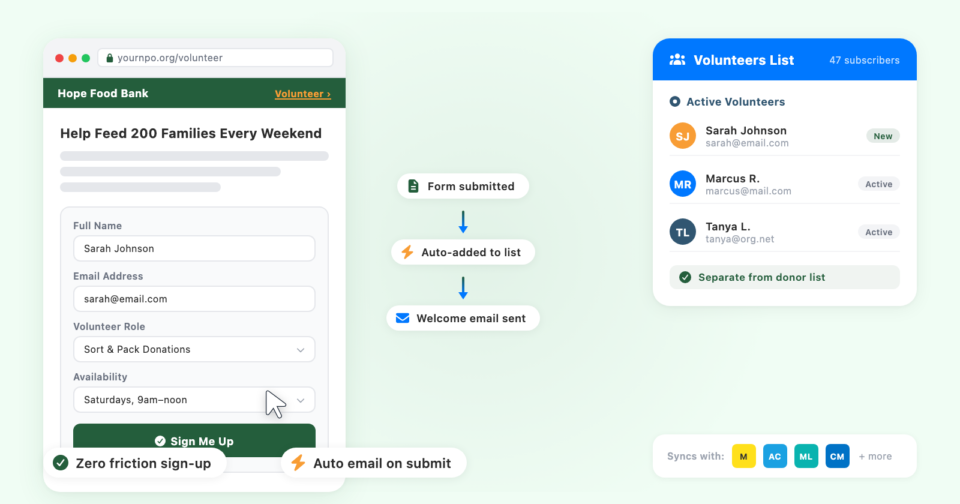
- Set Up a Volunteer Sign-Up System on Your Website
- How to Turn April Volunteers Into Year-Round Support
- Keeping Volunteers Engaged and Coming Back
- How Charitable Helps You Build a Volunteer-Powered Fundraising Operation
- Your April Volunteer Recruitment Action Plan (Quick Start)
- Frequently Asked Questions
The Real Reason Nonprofits Struggle to Find Volunteers
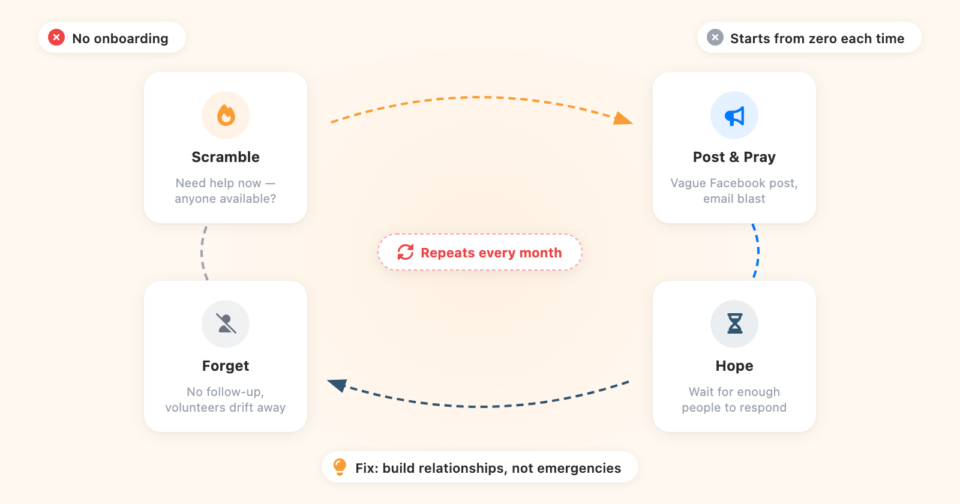
Most nonprofits approach volunteer recruitment the same way they approach fundraising events: they wait until they need help, then scramble. They post something vague on Facebook, send an email blast to the same tired list, and hope enough people respond to get through the weekend. Sometimes it works. Often it doesn’t. And either way, the cycle repeats next month.
The real problem isn’t a shortage of willing people. There are tens of millions of people that volunteer every year. The problem is a structural one: most small nonprofits treat volunteer recruitment as an emergency response instead of an ongoing relationship-building process.
Think about it from the volunteer’s perspective. Someone hears about your organization, feels inspired, maybe even signs up for your email list – and then hears nothing until you need bodies for an event. There’s no onboarding, no sense of belonging, no indication that their time and energy actually matter to you beyond filling a slot. Of course they drift away. You’d drift away too.
I’ve watched this pattern destroy volunteer programs at organizations with genuinely important missions. The work was meaningful. The need was real. But the infrastructure for welcoming, engaging, and retaining supporters was never built and so every recruitment push started from zero.
The good news: this is entirely fixable. You don’t need a dedicated volunteer coordinator on staff or a sophisticated CRM system to build something that works. You need a clear understanding of what motivates volunteers, a consistent presence in the right places, and a few simple systems to keep the relationship warm between asks. That’s what this guide delivers.
Before we get into tactics, though, let’s talk about why the next few weeks represent the single best recruitment window of the entire year, and why you can’t afford to miss it.
National Volunteer Month: Why April Is Your Most Important Recruitment Window
April is National Volunteer Month in the United States, and it matters more than most nonprofit leaders realize. This isn’t just a marketing label. It represents a genuine, measurable shift in public attention toward civic participation. Corporations run volunteer drives for their employees. Schools organize service projects. Local media runs feel-good stories about community impact. The cultural conversation shifts, even if only briefly, toward asking “how can I help?”
That shift creates a window. People who have been meaning to volunteer but haven’t gotten around to it feel the nudge of external momentum. Someone sees their company’s April volunteer initiative, thinks about that local food bank they’ve been meaning to call, and actually picks up the phone. A college student sees National Volunteer Week on campus and searches for opportunities near them. These are warm leads – people who are already primed to say yes – and April delivers them at a higher rate than any other month.
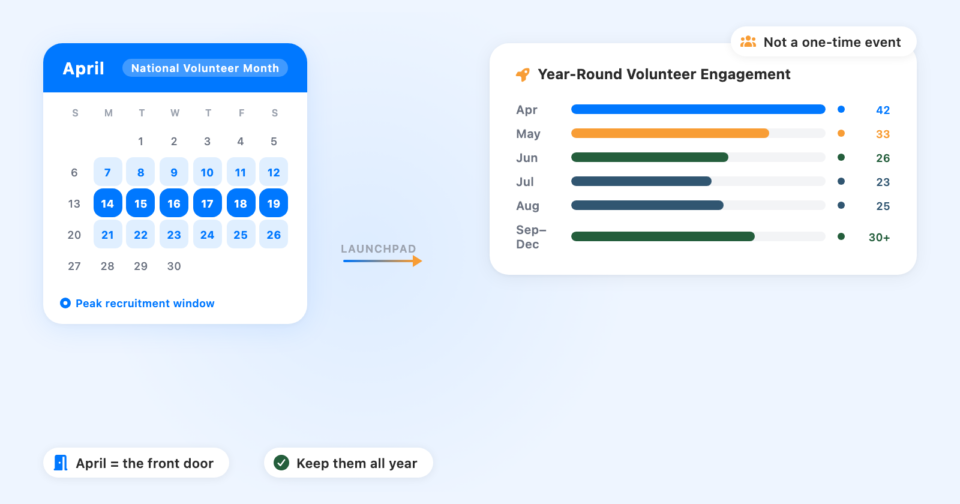
Here’s the mistake I see nonprofits make with this window: they treat it like a one-time event instead of a launchpad. They recruit in April, run a great volunteer day, take a group photo, post it on Instagram, and move on. By June, half those volunteers have disappeared because nobody followed up, nobody gave them a next step, and nobody made them feel like part of something ongoing.
The organizations that actually benefit from National Volunteer Month are the ones that use it as a front door, a high-traffic moment to bring people in and then immediately connect them to a longer journey. Your April recruitment shouldn’t end in April. It should begin there.
We’re in the middle of that window right now. You still have two and a half weeks of peak recruitment energy left in this month. Use it. And as you do, build the structures that will keep those new volunteers engaged through summer, fall, and beyond.
So where do you find those volunteers in the first place? Let’s get specific.
Where to Find Volunteers Who Actually Show Up
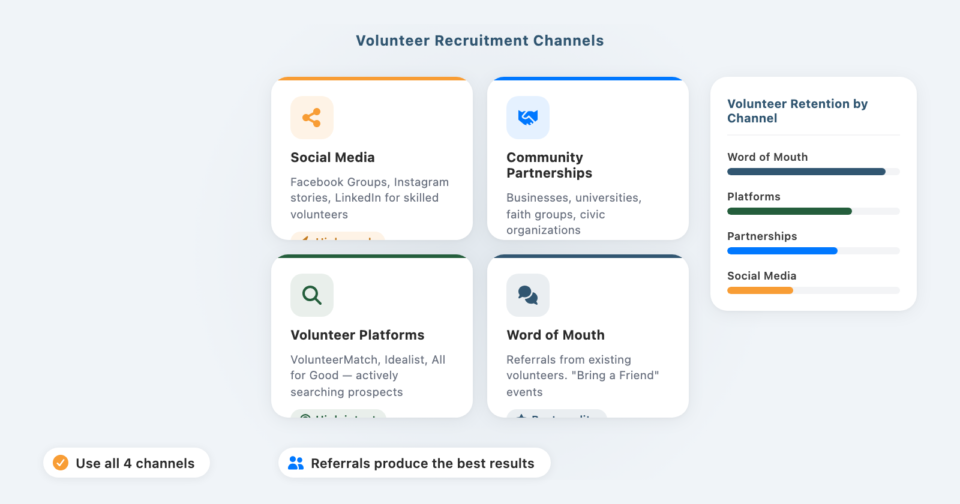
Not all volunteer prospects are equal. Someone who signs up because they stumbled across your Instagram post and thought it looked fun is a fundamentally different prospect than someone whose coworker personally invited them and vouched for the experience. Building a strong volunteer pipeline means working multiple channels and understanding which ones produce people who stick around.
Here are the four channels that consistently deliver the best results for small to mid-sized nonprofits.
📣 Social Media Recruitment
Social media is the channel most nonprofits default to, and for good reason. It’s free, it’s immediate, and during National Volunteer Month, organic reach on volunteer-related content tends to perform better than usual. But most organizations use it wrong. They post “We need volunteers!” with a stock photo and a link, then wonder why nobody responds.
The content that actually drives volunteer signups tells a specific story. A thirty-second video of one of your regulars explaining why she keeps coming back will outperform a generic recruitment graphic every single time. A photo of the actual work – not a posed group shot, but someone mid-task, clearly engaged and doing something meaningful – shows prospective volunteers what they’re signing up for rather than asking them to imagine it.
- Facebook Groups remain underused by nonprofits and over-populated by exactly the kind of community-minded people you’re looking for. Local neighborhood groups, parenting groups, faith community groups, and civic organization groups are full of people who want to help – they just haven’t heard about your specific opportunity yet. Post in those groups (where allowed by group rules) with a personal, specific ask, not a corporate-feeling announcement.
- Instagram and LinkedIn play different roles. Instagram works well for visual impact and younger volunteers. LinkedIn is surprisingly effective for recruiting skilled volunteers – graphic designers, accountants, lawyers, and marketing professionals who want to donate their expertise. A well-written LinkedIn post about needing a volunteer grant writer, for example, can surface candidates you’d never find through a general call.
🤝 Community Partnerships
Some of the most reliable volunteers I’ve ever worked with came through partnerships with local institutions, not social media. Businesses, universities, faith communities, and civic organizations all have built-in populations of people who are already oriented toward community involvement.
- Corporate volunteer programs are particularly worth pursuing in April. Many mid-size and large companies have formal employee volunteer programs with dedicated time, and they’re actively looking for nonprofit partners to host group volunteer days. A single partnership with the right company can deliver ten to twenty volunteers for an event, volunteers who show up reliably because it’s organized through their employer.
- University service-learning programs are another goldmine. Professors teaching courses in social work, public health, education, or community development are often required to connect students with community partners. These students need hours; you need help. Reach out directly to relevant department chairs or service-learning offices, a warm email explaining your mission and the type of work available is often all it takes.
- Don’t overlook faith communities either. Churches, mosques, synagogues, and other religious organizations frequently organize group service opportunities, especially during spring. A brief presentation at a Sunday service or a simple flyer in a weekly bulletin can generate a surprising number of committed volunteers.
🔍 Volunteer Platforms and Databases
Several platforms exist specifically to connect volunteers with organizations, and they’re worth listing your opportunities on – especially during peak months like April when platform traffic is higher. VolunteerMatch, Idealist, and All for Good are the three most widely used. Listing is typically free, and the people browsing these platforms are actively looking to volunteer, which means your conversion rate from inquiry to actual commitment tends to be higher than from general social media posts.
When you write your listing, be specific about the time commitment, the type of work, and who the volunteer will be helping. Vague listings get skipped. “Help sort donations at our food pantry, Saturdays 9am–noon, no experience required” will outperform “Volunteers needed for various tasks” every single time.
💬 Word-of-Mouth and Referral Programs
In my experience, the highest-quality volunteers consistently come through personal referrals from existing volunteers. Someone who shows up because a friend told them it was a great experience comes in with warmer expectations, higher commitment, and a built-in social connection that makes them far more likely to return.
Build a simple referral ask into your volunteer communications: “Know someone who’d love this? Forward this email.” Consider running a “bring a friend” event during April where existing volunteers are specifically encouraged to invite one person who hasn’t volunteered with you before. You’ll be surprised how effective this is – people like doing good things together, and they’re more likely to say yes when someone they trust is going to be there with them.
Finding people is only half the battle. The other half is crafting an ask that actually gets a yes – and that’s where most nonprofits leave significant results on the table.
How to Write a Volunteer Ask That Gets a Yes
Here’s a scene I’ve witnessed more times than I can count: a nonprofit sends an email to their list asking for volunteers. The subject line says “Volunteer Opportunity” (immediately invisible in a crowded inbox). The body opens with three paragraphs about the organization’s history and mission. There’s a vague description of “various volunteer needs.” At the bottom, there’s a link to a sign-up form that asks twelve questions before anyone can commit.
Nobody signs up. The staff member who sent it is baffled. “We sent to 800 people,” they say. “You’d think at least a few would respond.”
The ask failed because it made the volunteer do all the work – figuring out whether this was right for them, whether the commitment was manageable, whether their help would actually matter. A great volunteer ask does that work for them.
The four elements of a volunteer ask that converts are: a specific role, a clear time commitment, a concrete impact statement, and a frictionless next step. Every ask – whether it’s an email, a social post, or a one-on-one conversation – should include all four.
Here’s what that looks like in practice. Below is a sample email template you can adapt for your own recruitment push right now during National Volunteer Month.
✉️ Sample Volunteer Recruitment Email Template
Subject line: Can you give 3 hours this month? [Organization name] needs you
Body:
Hi [First Name],
April is National Volunteer Month and we’re putting together a team for one of our most impactful events of the year. I’m reaching out personally because I think you’d be a great fit.
Here’s the ask: we need [X number] volunteers for our [event name] on [date], from [start time] to [end time]. You’ll be [specific description of what they’ll do – e.g., “helping families sort and pack donated clothing for kids entering foster care”]. No experience required. We’ll walk you through everything when you arrive.
Last time we ran this event, [specific impact: e.g., “we served 47 families in a single morning”]. Your three hours could directly [specific outcome for a real person. E.g., “make sure a child has clean clothes on their first day at a new school”].
If you can join us, just [single clear next step – e.g., “click here to grab your spot. It takes less than two minutes to sign up”]. Spots are limited to [number], and we’re already [X]% full.
Questions? Just reply to this email. I read every one.
[Your name]
[Your title]
[Organization name]
Notice what that template does. It opens with relevance (National Volunteer Month, timely and credible). It makes a specific ask with a defined time boundary. It describes the actual work in human terms, not organizational ones. It connects that work to a real person who benefits. And it closes with one clear, low-friction action.
You can use this structure for social posts, flyers, in-person asks, and phone calls, not just email. The format is transferable. The specificity is the point.
One more thing about the ask: urgency is legitimate, but only when it’s real. “Spots are limited” is effective because volunteer capacity usually is limited. But manufactured urgency – fake countdowns, artificial scarcity – erodes trust fast, especially in a community of people who care deeply about authenticity. Use real urgency. It’s usually there.
Now that you know how to ask, let’s make sure your website is ready to convert interested people into committed volunteers the moment they land on it.
Set Up a Volunteer Sign-Up System on Your Website
Your website is working for you (or against you) around the clock, even when you’re not. During National Volunteer Month, when people are actively searching for volunteer opportunities, your site may be the first impression someone gets of your organization, and your sign-up process is either removing friction or creating it.
I’ve reviewed the websites of dozens of nonprofits over the years, and the most common problem I see isn’t bad design, It’s a buried or broken volunteer pathway. Someone gets inspired, navigates to the site, can’t easily find how to volunteer, and clicks away. That person was ready to say yes. Your website just said no for you.
📋 What Your Volunteer Sign-Up Page Needs
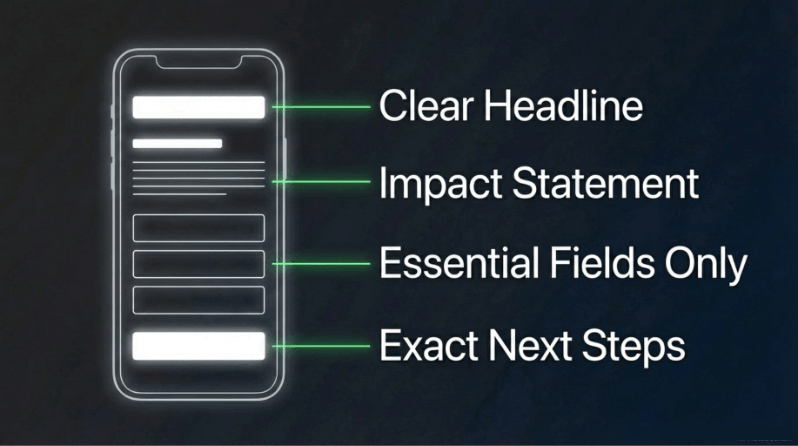
A good volunteer sign-up page doesn’t need to be elaborate, but it does need to do specific work. Here’s what should be on it.
- A clear headline: Not “Volunteer with Us” but something that conveys the value to the volunteer – “Help Feed 200 Families Every Weekend” tells a story. “Volunteer with Us” does not.
- A brief why: Two to three sentences on what volunteers do and why it matters. Write this from the volunteer’s perspective, not the organization’s perspective.
- Specific opportunities listed: If you have multiple volunteer roles, list them separately with their time requirements. Letting people self-select into the right role reduces no-shows dramatically.
- A simple form: Collect what you actually need – name, email, phone, availability, and any relevant skills or experience. Don’t ask for information you’re not going to use.
- What happens next: Tell people exactly what to expect after they submit. “We’ll email you within 48 hours with details about your first shift.” Uncertainty kills momentum.
🛠️ Building the Form on WordPress
If your site runs on WordPress, and if you’re reading this, there’s a good chance it does, building a volunteer sign-up form is straightforward.
WPForms, a partner plugin of Charitable, is the tool I recommend for this. It’s a drag-and-drop form builder that lets you create clean, professional forms without touching a line of code. You can set up conditional logic so the form adjusts based on what the volunteer selects, integrate it directly with your email marketing list, and get instant notifications when someone submits.
For a volunteer sign-up form, you’ll typically want fields for name, email address, phone number, preferred volunteer role (if you offer multiple), availability (days and times), and any relevant skills or experience. WPForms has ready-made templates that cover most of this, you can be live in under an hour.
Make the form visible. Put a “Volunteer” link in your main navigation. Add a call-to-action block on your homepage. During April specifically, consider adding a banner or announcement bar at the top of your site referencing National Volunteer Month, it signals to visitors that this is an active, engaged organization and that right now is a great time to get involved.
📧 Connect Your Form to Your Email List
Every volunteer who submits that form should automatically land on a dedicated email list, separate from your general donor list or newsletter subscribers. This lets you communicate with volunteers specifically and relevantly, rather than sending everyone the same messages that may or may not apply to them.
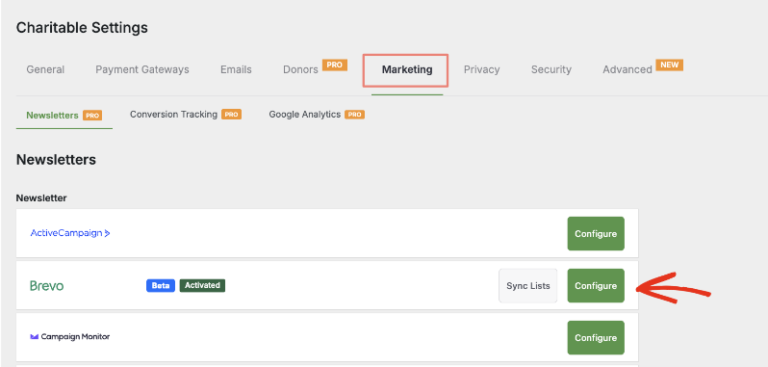
Setting up that email integration doesn’t require any technical expertise. Charitable Pro’s email marketing integrations lets you connect directly with ConstantContact, Mailchimp, ActiveCampaign, MailerLite, Campaign Monitor, MailPoet, and Mailster. If you’re already using one of those platforms for your donor communications, you can bring your volunteer communications into the same system and manage everything from one place.
Getting people into your system is the first half. The second half, and the part most nonprofits skip, is what you do with them after April ends.
How to Turn April Volunteers Into Year-Round Support
Let me tell you about a scenario that plays out at nonprofits across the country every single year. They run a fantastic volunteer event in April. Thirty-two people show up. Everyone has a great experience. Photos are taken. Staff are energized. Six weeks later, they need volunteers for a summer project and send out the call, and twelve of those thirty-two people can’t even be reached because they signed up through a paper form that nobody ever entered into a database.
Don’t let April be a one-time event. The momentum you build this month is an asset but only if you have somewhere to put it.
📬 The 30-Day Follow-Up Sequence
The first thirty days after someone volunteers with you for the first time are critical. This is when they decide whether you’re worth their ongoing commitment or whether this was a nice one-time experience. Most organizations send one thank-you email (if that) and then go silent until the next ask. That silence is where volunteer relationships go to die.
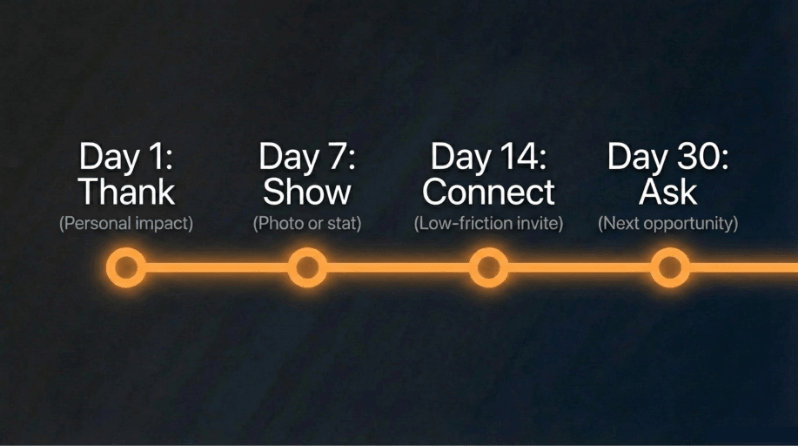
Here’s a simple follow-up sequence that works. Use it consistently with every new volunteer you bring in during April.
- Day 1 – Thank-you email: Personal, specific, and warm. Reference something real about their contribution. Not a generic “Thanks for volunteering!” but “Because of you and the team on Saturday, we packed 340 meal kits that are going home with kids today.” Make them feel the impact while it’s fresh.
- Day 7 – Impact update: Share a photo, a story, or a stat from the event. This deepens the emotional connection and reinforces that their time mattered.
- Day 14 – Invitation to stay connected: Point them toward your newsletter, a social media community, or an upcoming event. Give them a low-commitment next step that keeps them in your orbit without immediately asking them to volunteer again.
- Day 30 – Next opportunity: Now you can make the next ask. They’ve been thanked, they’ve seen their impact, and they’ve had a chance to settle into being part of your community. This ask will land differently than if you’d sent it on Day 2.
This sequence doesn’t have to be complicated or beautifully designed. Plain text emails with personal, genuine language outperform slick HTML templates with stock photos almost every time in the volunteer context. People can tell when something was written for them versus when it was written for a segment.
📅 Building a Year-Round Volunteer Calendar
One of the most effective things you can do to retain volunteers is give them visibility into what’s coming. When people know what opportunities are on the horizon, they can plan for them. When everything feels ad hoc and last-minute, even committed volunteers struggle to stay engaged, not because they don’t want to help, but because “let me know when you need me” rarely translates into actual calendar commitments.
Build out a rough volunteer calendar for at least the next six months. You don’t need to have every detail locked in, rough dates and descriptions are enough. Share it with your active volunteers in early May with a note that says “Here’s what’s coming up this year. Save the dates that work for you.” This single communication consistently improves volunteer retention at organizations that do it.
🔄 Converting Volunteers Into Recurring Donors
Here’s something counterintuitive: your volunteers are your most likely donors. People who give their time to your organization have already demonstrated the highest level of buy-in. They believe in your mission enough to show up in person. When the right ask comes, framed appropriately and timed well, a meaningful percentage will say yes to financial support as well.
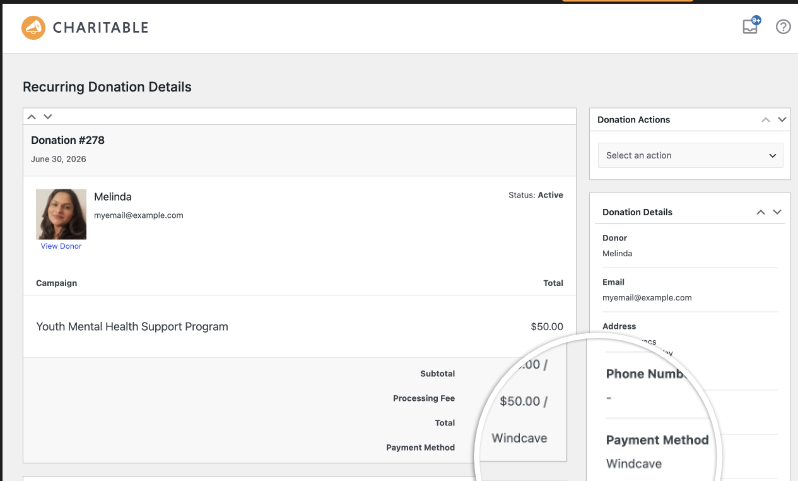
I’m not suggesting you hit new volunteers with a donation ask at the end of their first shift. That’s a trust-eroding move. But six months in, when someone has volunteered three or four times and clearly cares about your work, a gentle, genuine invite to support the mission financially is entirely appropriate. The recurring donations feature in Charitable (available on the Plus plan) makes it easy to set up monthly giving – which means a volunteer who becomes a $10/month donor is contributing $120 a year, compounding over time.
Building that bridge from volunteering to sustained financial support is one of the most underutilized strategies in nonprofit development. Start planting those seeds in April with the right systems in place.
Keeping Volunteers Engaged and Coming Back
Recruitment gets volunteers through the door. Retention is what builds an organization. The research on this is consistent: it costs significantly more in time and resources to recruit a new volunteer than to keep an existing one. Yet most nonprofits invest almost all their effort in the front end of the funnel and almost none in the middle, where the relationship actually forms.
What keeps volunteers coming back? After years of working in and with nonprofits, I’ve found it comes down to three things consistently: feeling seen, feeling effective, and feeling like they belong.
👁️ Make Volunteers Feel Seen
Recognition matters enormously but it has to be personal to land. A mass “thank you to all our volunteers!” post on social media is nice but not particularly meaningful to any individual. A handwritten note, a specific callout in a newsletter, or a personal email from leadership recognizing a specific contribution creates a memory that pulls people back.
Volunteer appreciation doesn’t need to be elaborate or expensive. I’ve seen organizations with almost no budget maintain extraordinary volunteer loyalty through simple, consistent acknowledgment. Track volunteer hours and milestones, then celebrate them publicly – first anniversary, 50th hour, 100th hour. These moments cost nothing and mean a great deal.
⚡ Make Volunteers Feel Effective
Nothing kills volunteer enthusiasm faster than showing up and feeling like you weren’t actually needed. Disorganized events, unclear roles, or work that feels like busywork – these experiences don’t just prevent a second visit, they generate negative word of mouth.
Design volunteer experiences with intention. Brief volunteers clearly before they start so they know exactly what they’re doing and why it matters. Have the supplies or setup ready before volunteers arrive – waiting around for instructions for the first twenty minutes of a shift is a morale killer. Close every volunteer event with a specific impact statement: “Today, your work made [concrete outcome] possible.” That closing ritual matters more than most organizations realize.
🏡 Make Volunteers Feel Like They Belong
The volunteers who stay for years are almost always the ones who developed social connections through your organization. They’re coming back to see people they like, not just to complete tasks. Facilitating those connections is your job.
Simple things matter here: introducing new volunteers to regulars by name, creating informal social time at the end of events, fostering a community space (even a Facebook Group or group chat) where volunteers can connect between events. These relationship-building touchpoints cost almost nothing and compound over time into a volunteer community that recruits itself.
📊 Use Campaign Updates to Maintain Momentum
If your nonprofit runs fundraising campaigns alongside your volunteer work, Campaign Updates in Charitable are a powerful way to keep your entire supporter community, volunteers included, connected to progress. When volunteers can see the campaign thermometer moving and read updates about what their combined efforts are achieving, they feel part of something larger than any individual shift. That sense of shared progress is one of the most underrated retention tools in the nonprofit toolkit.
Now let’s talk about the technology side, specifically how Charitable can help you build a fundraising operation that puts your volunteers at the center of your growth strategy.
How Charitable Helps You Build a Volunteer-Powered Fundraising Operation
Let me be honest about something upfront: Charitable is a fundraising plugin, not a volunteer management platform. It won’t replace a tool like VolunteerHub or Better Impact if you need dedicated scheduling and hour-tracking for large volunteer programs. What it does exceptionally well and what directly relates to everything we’ve discussed in this guide is connect your volunteer energy to fundraising outcomes, and give you the communication infrastructure to keep supporters engaged year-round.
Charitable has over 1 million downloads on WordPress.org. The reason so many organizations trust it isn’t just the features, it’s that Charitable was built with the reality of nonprofit operations in mind. No bloated subscription fees, no lock-in, no platform that owns your donor data. You run your fundraising on your website, on your terms.
Start With Charitable Lite (Free)
If you’re just getting started or working with a tight budget, Charitable Lite is completely free and available on WordPress.org right now. It gives you unlimited campaigns, full donor data ownership, payment gateway support for PayPal, Square, Stripe, and offline methods, and a donor management dashboard, everything you need to start connecting your volunteer community to your fundraising goals without spending a dollar on software.
For many smaller nonprofits running volunteer-driven events and campaigns, Lite is genuinely all you need. You can build a donation campaign to accompany your April volunteer events, collect donations from supporters who can’t volunteer in person, and track everything in your WordPress dashboard. No third-party platform fees. No giving away your donor list to a company with different interests than yours.
Email Marketing Integrations (Plus Plan, starts at $99/year)
Earlier in this guide, I talked about the critical importance of staying in consistent contact with your volunteers between events. That advice is only actionable if you have a reliable email marketing system and Charitable’s Plus plan connects your fundraising and volunteer communications directly to the tools you’re probably already using.
Charitable’s email marketing integrations on the Plus plan include Mailchimp, ActiveCampaign, MailerLite, Campaign Monitor, MailPoet, and Mailster. When someone donates to your campaign or signs up through your site, they can automatically flow into your email system, tagged and segmented appropriately. This means your April volunteer recruits, your monthly donors, and your event attendees can all receive communications calibrated to their relationship with you, not the same generic blast to everyone.
All it takes is a few clicks inside Charitable to make the connection to your preferred email service.
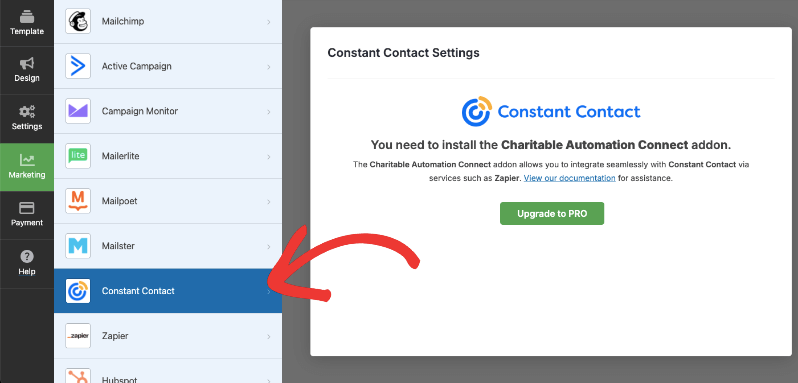
That kind of segmented, relevant communication is what separates organizations that retain supporters from organizations that constantly chase new ones. The Plus plan runs $99 per year at the current sale price. When you consider that retaining one additional $20/month donor for a year generates $240 – the plan pays for itself with a single supporter retained.
Peer-to-Peer Fundraising (Pro Plan, $199/year)
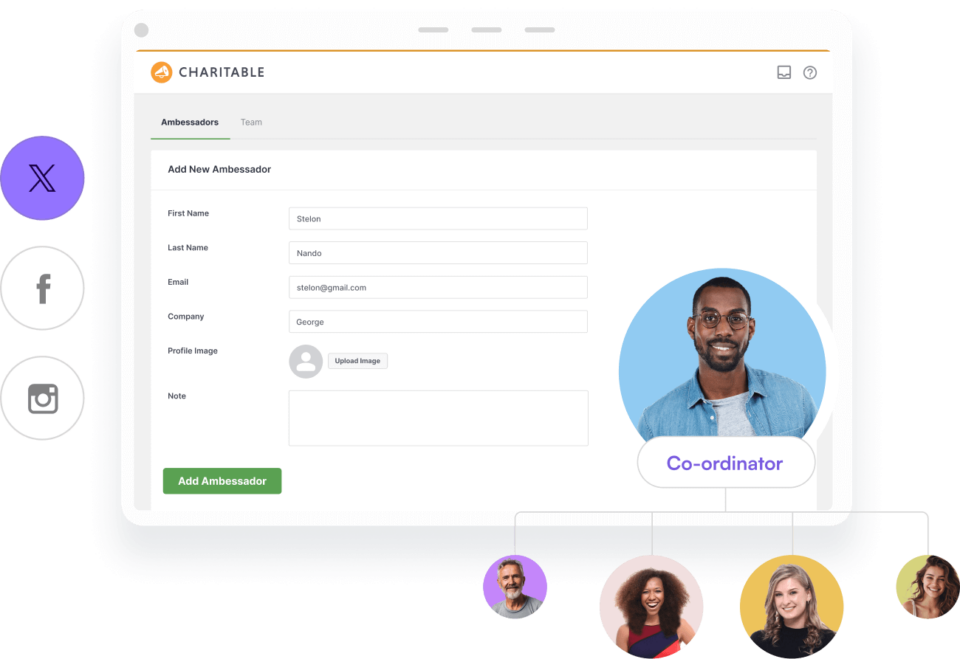
Here’s where the volunteer-fundraising connection gets genuinely exciting. Charitable’s Peer-to-Peer Fundraising feature, available on the Pro plan, lets you turn your volunteers into active fundraisers for your cause, each with their own campaign page that they can share with their personal networks.
Think about what that means in practice. You have thirty volunteers who showed up in April and had a great experience. They’re already advocates for your mission, they showed up. Now imagine each of them setting up a personal fundraising page and sharing it with fifty people in their network. Thirty volunteers, fifty contacts each: that’s 1,500 people who just heard about your organization from someone they trust. No ad spend. No outreach budget. Just your existing community doing what they were already inclined to do, telling people they care about something that matters.
Peer-to-peer fundraising works best when it’s connected to a specific, time-bound campaign, which makes National Volunteer Month the perfect launch window. Recruit your volunteers in April, run a volunteer event, and then invite your most enthusiastic participants to launch personal fundraising pages tied to a May campaign. You capture the momentum of their peak enthusiasm and channel it directly into fundraising results.
Campaign Updates Keep Supporters Connected
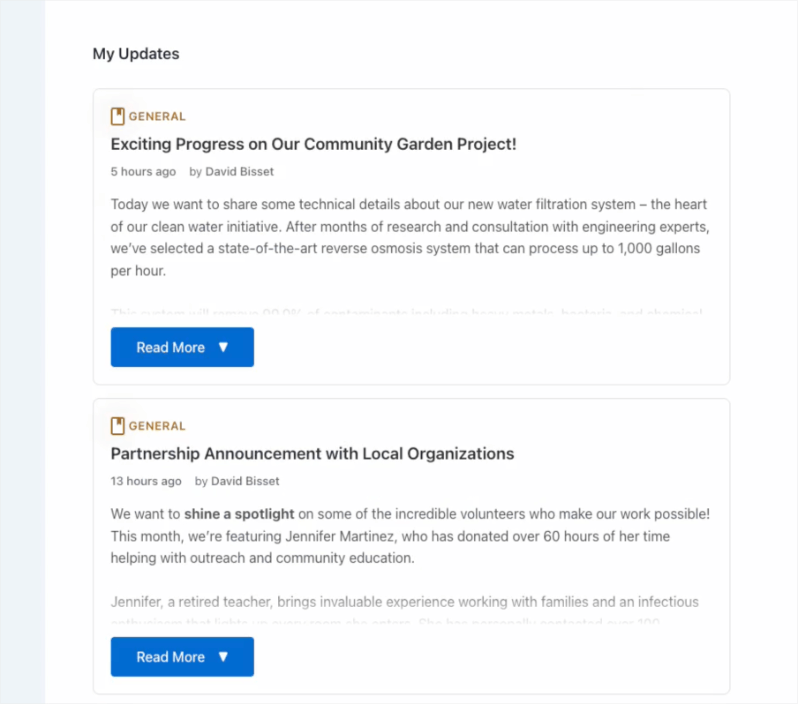
Charitable’s Campaign Updates feature lets you post regular progress updates directly on your campaign pages. This is particularly valuable for volunteer-driven campaigns. You can share photos from volunteer events, milestone announcements, and impact stories that keep your entire community (donors and volunteers alike) connected to the campaign’s momentum. Supporters who receive updates give again at significantly higher rates than those who don’t. It’s one of the simplest engagement tools available, and most organizations underuse it.
Pricing That Respects Nonprofit Budgets
Charitable Pro plans are currently on sale. Here’s the full breakdown so you can evaluate what fits your organization’s needs right now.
- Basic $69/year: Everything in Lite, plus on-site credit card payments, 12+ payment gateways including Stripe and Authorize.net, the visual builder, PDF receipts, donor dashboard, and donor leaderboards. One site.
- Plus $99/year: Everything in Basic, plus recurring donations, fee relief, annual receipts, Gift Aid for UK charities, and the full suite of email marketing integrations. One site.
- Pro $199/year: Everything in Plus, plus Peer-to-Peer fundraising, crowdfunding, ambassadors, donation teams, Stripe Connect, Google Analytics, Campaign Updates, and workflow automations including Zapier and Webhooks. One site.
- Elite $299/year: Everything in Pro, for use on up to 5 sites, with multisite support and client management. Ideal for agencies or organizations managing multiple WordPress properties.
Every paid plan comes with a 14-day, 100% money-back guarantee. No questions asked. If you try Charitable and decide it’s not the right fit for your organization, you get a full refund within 14 days. That’s a zero-risk way to test whether Charitable belongs in your nonprofit’s tech stack.
Charitable has 1+ million downloads. Join the 10,000+ nonprofits already using it to raise more and keep more of every donation.
✅ 14-day money-back guarantee
✅ Transparent pricing
✅ Code-free setup
Frequently Asked Questions
What is National Volunteer Month?
National Volunteer Month is observed every April in the United States as a time to recognize, celebrate, and inspire volunteerism across the country. It encompasses National Volunteer Week (typically the third week of April) and is supported by organizations like Points of Light and AmeriCorps.
For nonprofits, National Volunteer Month represents the single highest-traffic period for volunteer recruitment each year, a moment when public interest in civic participation is measurably higher than at any other time. Smart organizations use it as a recruitment launchpad, not a one-time event.
How do I find volunteers for my nonprofit?
The most effective volunteer recruitment combines multiple channels: social media with specific, story-driven content (not generic appeals); community partnerships with businesses, universities, and faith organizations; listings on dedicated volunteer platforms like VolunteerMatch and Idealist; and personal referrals from existing volunteers.
Among these, referrals from current volunteers consistently produce the highest-quality recruits, people who arrive with warm expectations and a social connection that makes them far more likely to return. During National Volunteer Month in April, all of these channels perform better than at other times of year, making April the ideal moment to invest in recruitment.
How do I keep volunteers long-term?
Long-term volunteer retention comes down to three things: making volunteers feel seen (personal recognition, specific acknowledgment of their contributions), making them feel effective (well-organized experiences with clear roles and measurable impact), and making them feel like they belong (social connections with other volunteers, a sense of community between events).
Practically, this means implementing a 30-day follow-up sequence after every first-time volunteer experience, maintaining consistent communication between events through email and social media, building a year-round volunteer calendar so supporters can plan ahead, and creating informal community spaces where volunteers connect with each other.
What should a volunteer sign-up form include?
A volunteer sign-up form should collect the information you’ll actually use, nothing more, nothing less. At minimum, it needs the volunteer’s name, email address, and phone number. Beyond that, you should ask for availability (which days and times work for them), which volunteer role they’re interested in (if you offer multiple options), and any relevant skills or experience that might inform how you place them. Optionally, you can include a field for how they heard about you (useful for tracking which recruitment channels work).
What you should not include: lengthy essays, personal history, or questions that feel more like a job application than an invitation to help. The goal of the form is to remove friction between intention and commitment. Tools like WPForms make it easy to build clean, professional sign-up forms on WordPress without any coding required.
How can Charitable help with volunteer coordination?
Charitable is a fundraising plugin, not a dedicated volunteer management platform – so it won’t replace tools designed specifically for scheduling shifts or tracking volunteer hours. What it does exceptionally well is connect your volunteer community to your fundraising goals.
- Charitable’s Peer-to-Peer Fundraising feature (Pro plan) lets you turn enthusiastic volunteers into fundraisers who raise money from their personal networks.
- Its email marketing integrations (Plus plan) connect with Mailchimp, ActiveCampaign, MailerLite, Campaign Monitor, MailPoet, and Mailster, so you can keep volunteers engaged with regular communications tied to your campaigns.
- Campaign Updates let you share progress with your entire community, including volunteers who want to see the impact of their combined efforts.
- And the donor management features help you track your supporter base – including those who support you with both time and money.
Charitable Lite is free to start; paid plans begin at $69/year for Basic.
What’s the difference between a volunteer and a peer-to-peer fundraiser?
A volunteer gives their time to support your nonprofit’s work directly, showing up for events, completing tasks, providing services, and contributing their presence to your operations. A peer-to-peer fundraiser gives their social capital: they create a personal fundraising page for your cause and share it with their network, asking the people they know to donate financially. These roles are different, but they’re not mutually exclusive.
In fact, your most enthusiastic volunteers often make the best peer-to-peer fundraisers, because they can speak authentically about why the mission matters from personal experience. Charitable’s Peer-to-Peer Fundraising feature (available on the Pro plan) makes it easy to invite volunteers to take this additional step, giving them a simple tool to turn their advocacy into real fundraising results for your organization.
Ready to Put Your Volunteer Recruitment on Autopilot?
You’ve spent April building something real. Don’t let it evaporate when May hits. The volunteers you recruit this month, the relationships you build, the systems you put in place – these are the foundation of a fundraising operation that doesn’t start from zero every time you need support.
Charitable is trusted by 10,000+ nonprofits and has been downloaded over 1 million times because it was built for exactly this kind of organization – mission-driven, budget-conscious, and committed to owning their donor and supporter relationships without paying platform fees to a third party.
Start free with Charitable Lite. When you’re ready to add recurring donations, email marketing integrations, or peer-to-peer fundraising to your volunteer-driven operation, the paid plans start at $69/year, with a 14-day, no-questions-asked money-back guarantee on every one of them.
Charitable Has 1+ Million Downloads!
Trusted by millions to power successful fundraising campaigns. Try Charitable risk-free today.
✅ 14-day money-back guarantee
✅ Transparent pricing
✅ Code-free setup
Get Free Tips and Resources in Your Inbox
Get free tips and resources right in your inbox, along with 60,000+ others. Join nonprofit leaders who use this newsletter to stay ahead of fundraising trends, discover new tools, and build donor and volunteer relationships that last.
Stay Connected for More Nonprofit Resources
For more tutorials and videos tailored to nonprofits, subscribe to our YouTube channel. We regularly publish expert tips, step-by-step guides on online donations, fundraising strategies, and practical resources to help your organization succeed.
🗞️ Get weekly tips and exclusive guides in your inbox
Join our newsletter →
🎥 Watch step-by-step tutorials and success stories
Subscribe to our YouTube channel →
👩🏽💻 Connect with our community and get daily nonprofit insights
Follow us on LinkedIn →
🥳 Fun reels and non-profit insights
Follow us on Instagram →
👀 Insightful & fun videos to help you grow your cause
Follow us on TikTok→
🌎 Subscribe and follow for general fundraiser tips
Get Fundraiser Tips on TikTok →
Powerful Fundraising Resources
⬇️ Download proven strategies, campaign ideas, and expert tools
Get the Fundraising Kit →
💸 Get Free Fundraising Resources
Head to the Charitable Fundraising Hub →
🤔 Got questions about Charitable?
Charitable FAQs →
🏎️ Take Charitable for a spin
Create your Charitable Demo →
Understand non-profit terms and jargon
Non-Profit Glossary →
% Looking for non-profit deals and discounts?
Best Non-Profit Deals and Discounts →


Leave a Reply