
Si te haces esta pregunta, no estás solo. Casi todo el mundo con quien hablo se pregunta lo mismo.
Pero esto es lo interesante: ya hemos pasado por esto antes.
Permíteme llevarte de vuelta a los años 80...
Cuando se introdujeron los cajeros automáticos por primera vez, la gente se preocupó: ¿Reemplazará la conexión humana? ¿Dejará la gente de visitar los bancos? ¿Desaparecerán los empleos?
El miedo parecía justificado. Pero eso no sucedió. 🤷🏽
En cambio, los cajeros automáticos hicieron que la banca fuera más eficiente. Los bancos abrieron más sucursales en comunidades desatendidas.
Los cajeros pasaron de contar efectivo a ayudar a los clientes a resolver problemas reales, como configurar cuentas para pequeñas empresas o explicar opciones de préstamos.
🔄 El mismo patrón se repitió con las computadoras, el correo electrónico, la banca en línea.
Cada vez, la tecnología liberó capacidad para hacer un trabajo más significativo.
¿Demasiado largo para leer? ▶️ Mira en YouTube: Cómo las organizaciones sin fines de lucro y las organizaciones benéficas pueden empezar a usar la IA de forma práctica
Ya hemos tenido este miedo antes
¿La ansiedad que sientes por la IA? Es natural porque es un territorio desconocido. Todos estamos aprendiendo juntos de qué se trata.
Cuando las computadoras empezaban a entrar en los hogares, una publicación de 1983, Personal Computing, de Charles Rubin, lo expresó perfectamente:
“Quizás nos hagan creer que cualquiera que no tenga un gran interés y deseo de usar una computadora personal debe estar enfermo... Lo más importante que hay que recordar sobre la computadora-fobia es que es una reacción natural a algo desconocido.
Si estás intentando usar una computadora personal o estás considerando usar una, recuerda: permítete ser un poco ignorante por un tiempo. Planea pasar tiempo aprendiendo; dale a la computadora la oportunidad de demostrar su valía antes de decidir que no puedes usarla; ve paso a paso; asegúrate de leer la documentación detenidamente; y, por último, no olvides que tú tienes el control, no la computadora.”
– Informática personal, 1983
Esas palabras son válidas para la IA ahora. La historia se repite.

Pero las computadoras no fueron la primera tecnología "aterradora"
Viaja aún más atrás, a los años 20 y 30, cuando la radio se estaba popularizando.
Muchos temían que destruiría la privacidad e intimidad familiar al introducir voces externas y comerciales. La industria del entretenimiento temía que las transmisiones de radio gratuitas provocaran una disminución en la asistencia a actuaciones en vivo y redujeran las ventas de discos.
Pero los miedos iban aún más allá.
La gente culpaba a las ondas de radio de dolencias físicas: dolores de cabeza, de estómago y enfermedades misteriosas tanto en humanos como en animales. Algunos agricultores afirmaban que sus vacas dejaban de producir leche debido a la interferencia de la radio. Otros insistían en que las ondas de radio estaban causando insomnio y trastornos nerviosos.
Hubo pánicos de salud genuinos sobre esta tecnología invisible que literalmente enfermaba a la gente.
¿Qué sucedió en realidad?
La radio no vació las iglesias y las salas de cine. En cambio, ayudó a los líderes religiosos a llegar a personas que no podían asistir físicamente: los ancianos, los enfermos, los que vivían en zonas rurales. La radio se convirtió en otra forma de educación, entretenimiento y publicidad. Abrió todo un abanico de nuevos empleos.
¿Y las ondas de radio? No estaban causando enfermedades misteriosas. El miedo era real, pero el peligro no.
¿Recuerdas las guerras de las calculadoras?
En la década de 1980, cuando las calculadoras de bolsillo se volvieron asequibles, profesores y padres se indignaron.
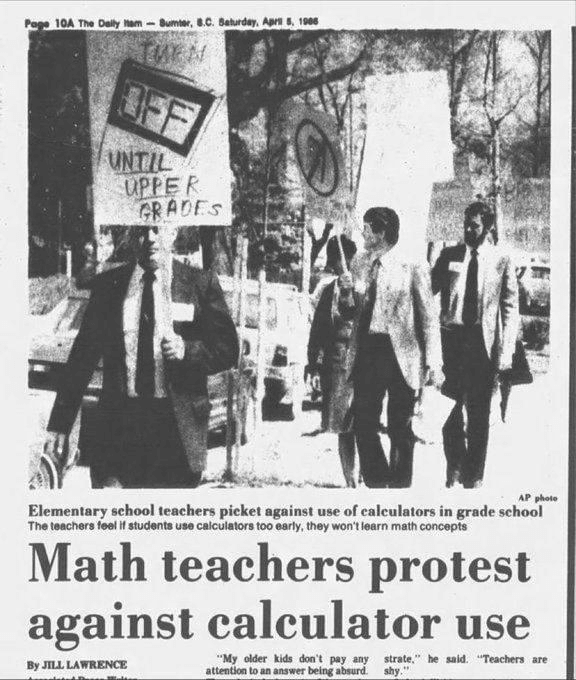
«¡Los niños no aprenderán conceptos matemáticos básicos!»
«¡Se volverán dependientes de las máquinas para la aritmética simple!»
«¡Las habilidades de cálculo mental desaparecerán por completo!»
Las escuelas prohibieron las calculadoras en las aulas. Algunos distritos las prohibieron por completo, temiendo que crearan una generación que no pudiera sumar, restar, multiplicar o dividir sin ayuda electrónica.
Todos sus argumentos eran válidos. La mayoría de las escuelas hoy en día permiten el uso de calculadoras en la escuela secundaria.
Los alumnos más jóvenes todavía aprenden conceptos matemáticos básicos. Las calculadoras en las clases superiores liberaron a los estudiantes de cálculos tediosos para que pudieran centrarse en la comprensión del pensamiento matemático y la resolución de problemas.
En lugar de pasar 30 minutos haciendo divisiones largas a mano, los estudiantes podían dedicar ese tiempo a aprender a aplicar las matemáticas a problemas del mundo real. Pasaron de ser calculadoras humanas a ser pensadores matemáticos.
¿Hoy en día? Las calculadoras son estándar en las clases de matemáticas. Porque una vez que entiendes los conceptos, la herramienta te ayuda a ir más lejos más rápido.
Piensa en el correo electrónico. ¿Recuerdas cuando la gente se quejaba de que era demasiado impersonal? ¿Mataría la comunicación real? Ahora es solo... correo electrónico. Una herramienta. Ni buena ni mala por sí sola.
El patrón es siempre el mismo:
- Llega una nueva tecnología
- La gente teme que elimine empleos, destruya la conexión humana o nos haga «menos que»
- Nos adaptamos y descubrimos que en realidad nos libera para hacer un trabajo más significativo
- La tecnología se vuelve invisible, simplemente parte de cómo operamos
La IA está siguiendo exactamente el mismo patrón
El miedo es natural. La incertidumbre es real.
Pero esto es lo que sabemos por la historia: La tecnología no reemplaza la conexión humana y el trabajo significativo. Reemplaza las tareas tediosas que nos impedían la conexión humana y el trabajo significativo.
- Los cajeros automáticos no eliminaron a los cajeros bancarios, eliminaron la tediosa tarea de contar efectivo todo el día, para que los cajeros pudieran ayudar a las personas con sus objetivos financieros.
- Los ordenadores no eliminaron a los trabajadores de oficina, eliminaron el reescribir documentos enteros para cada revisión, para que las personas pudieran centrarse en la calidad de sus ideas.
- Las calculadoras no eliminaron las habilidades matemáticas, eliminaron el cálculo tedioso, para que los estudiantes pudieran centrarse en el pensamiento matemático y la resolución de problemas del mundo real.
- El correo electrónico no eliminó la comunicación, eliminó la espera de días para que llegara una carta, para que las conversaciones pudieran ocurrir más rápido.
La IA no eliminará el corazón del trabajo sin fines de lucro: servir a tu comunidad, construir relaciones y lograr un cambio real.
Pero puede eliminar el gasto de tres horas en formatear una propuesta de subvención, o en actualizar manualmente los registros de donantes, o en escribir la misma plantilla de correo electrónico de agradecimiento por centésima vez.
La IA es poderosa, pero todavía necesita juicio humano, creatividad humana y dirección humana. La máquina puede encontrar patrones, pero los humanos deciden qué significan esos patrones y cómo usarlos para el bien.
La pregunta no es si la IA cambiará la forma en que trabajan las organizaciones sin fines de lucro. Lo hará.
La pregunta es: ¿te adaptarás y la usarás para amplificar tu impacto, o dejarás que el miedo te mantenga estancado en la ineficiencia mientras tu misión sufre?
Pero seamos honestos: la tecnología no siempre es benigna
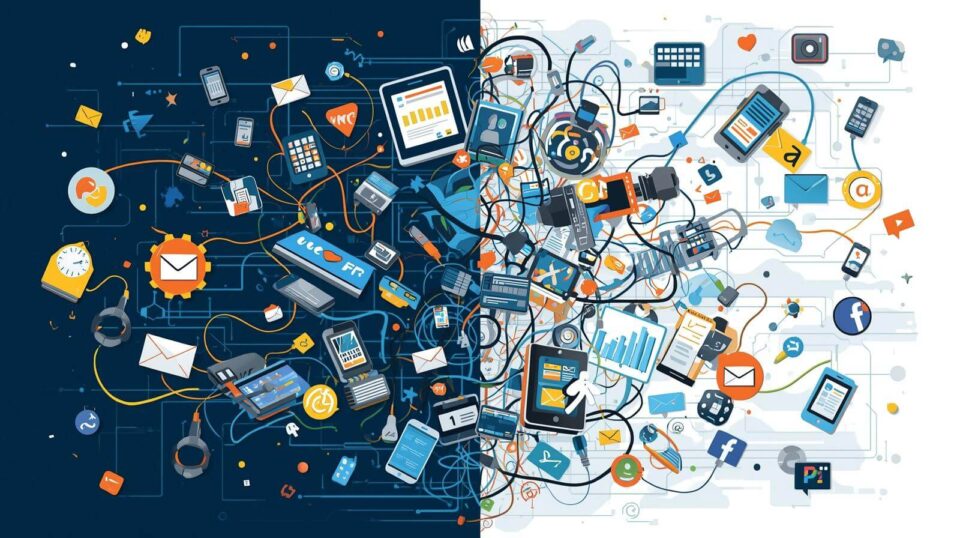
La historia también nos enseña que no todos los miedos sobre la tecnología carecían de fundamento.
Las redes sociales se suponía que nos conectarían. Y lo hicieron, pero también crearon cámaras de eco, difundieron desinformación y contribuyeron a crisis de salud mental, especialmente entre los jóvenes. Los estudios ahora vinculan el uso excesivo de las redes sociales con la ansiedad, la depresión y la disminución de la capacidad de atención.
El correo electrónico nos brindó comunicación instantánea, pero también creó una cultura laboral de "siempre conectado" donde las personas se sienten presionadas a responder a todas horas. El límite entre la vida laboral y personal se desdibujó, contribuyendo al agotamiento.
Los teléfonos inteligentes pusieron el mundo de la información en nuestros bolsillos, pero también crearon comportamientos adictivos. Los revisamos un promedio de 96 veces al día. Las cenas familiares se interrumpen. Las conversaciones se fragmentan. La presencia genuina se ha vuelto rara.
La automatización sí eliminó ciertos trabajos y comunidades enteras construidas en torno a la manufactura quedaron devastadas cuando las fábricas cerraron. La promesa de "reciclaje profesional" no siempre se materializó para los trabajadores de 50 años que habían dedicado toda su carrera a un solo tipo de trabajo.
Internet democratizó la información, pero también hizo que la privacidad fuera casi inexistente. Nuestros datos son cosechados, vendidos y utilizados de maneras que no comprendemos ni consentimos completamente.
La tecnología no era el problema, sino cómo la usábamos
Aquí está la lección crítica: la tecnología amplifica las elecciones humanas.
Las redes sociales se volvieron tóxicas no porque la tecnología en sí fuera malvada, sino porque las plataformas optimizaron la interacción sobre el bienestar. La indignación y la división mantenían a la gente desplazándose, y desplazarse significaba más ingresos publicitarios.
El correo electrónico se volvió abrumador porque elegimos estar disponibles las 24 horas del día, los 7 días de la semana. No establecimos límites. Las organizaciones no establecieron normas de comunicación saludables.
Los teléfonos inteligentes se volvieron adictivos porque fueron diseñados deliberadamente de esa manera, utilizando trucos psicológicos para que volviéramos por "solo una notificación más".
Lo mismo ocurrirá con la IA.
La IA puede ayudar a su organización sin fines de lucro a servir a más personas, recaudar más fondos y liberar a su equipo de un trabajo administrativo que agota el alma.
O bien la IA puede usarse para generar contenido genérico y sin alma que aleje a sus donantes. Puede perpetuar sesgos en sus programas si no tiene cuidado con los datos de los que aprende. Puede crear una desconexión entre su organización y su comunidad si la usa para reemplazar la interacción humana genuina en lugar de mejorarla.
Por qué debemos ser vigilantes sobre cómo la usamos
La IA es una herramienta. Como cualquier herramienta, se puede usar bien o mal.
La diferencia entre una IA que ayuda a su organización sin fines de lucro a prosperar y una IA que hace que su trabajo se sienta vacío se reduce a la intencionalidad.
Pregúntese:
- ¿Estoy usando la IA para liberar tiempo para una mayor conexión humana, o para evitar la conexión humana?
- ¿Estoy usando la IA para mejorar mi voz y mi mensaje, o para reemplazar por completo mi voz auténtica?
- ¿Estoy revisando y personalizando lo que produce la IA, o simplemente estoy haciendo clic en “generar” y sigo adelante?
- ¿Estoy pensando en los sesgos que pueden existir en las salidas de la IA, o estoy aceptando todo al pie de la letra?
- ¿Soy transparente con los donantes y las partes interesadas cuando la IA juega un papel en mis comunicaciones?
Las organizaciones sin fines de lucro que tendrán éxito con la IA son aquellas que la utilizan como un trampolín para un trabajo más significativo, no como un reemplazo del mismo.
Use la IA para redactar la propuesta de subvención, luego agregue la historia y la pasión únicas de su organización.
Use la IA para generar ideas para redes sociales, luego infúndalas con su voz auténtica y fotos reales de sus programas.
Use la IA para analizar los datos de los donantes, luego use esas ideas para tener conversaciones más significativas con los partidarios.
En el momento en que deja que la IA haga todo, en el momento en que elimina el juicio humano, la creatividad y el corazón de la ecuación, es cuando la tecnología probablemente se convierte en un problema.
Así que, si bien gran parte de este artículo fue escrito por mí, un humano, las herramientas de IA ayudaron con la investigación, el pulido, la corrección de errores gramaticales y también la creación de algunas de las imágenes que ve aquí para que sea visualmente atractivo.
La verdadera lección de la historia: los humanos deben mantener el control
¿Recuerda esa cita de 1983 sobre las computadoras? La última línea fue la más importante:
“No olvides que tú tienes el control, no la computadora”.
Eso sigue siendo cierto hoy.
La IA debe servir a su misión. Debe amplificar su impacto. Debe devolverle tiempo y energía.
Pero usted, con su empatía, su comprensión de las necesidades de su comunidad, su pasión por su causa, usted debe permanecer al volante.
Eso no es solo un buen sentimiento. Es una necesidad. Porque la IA sin supervisión humana no solo es ineficaz, sino que puede ser activamente perjudicial.
Lo que esto significa para su organización sin fines de lucro
Seamos realistas por un momento.
Ya está al límite. Quizás solo usted y un pequeño equipo intentan hacer todo: ejecutar programas, escribir subvenciones, gestionar donantes, actualizar su sitio web, publicar en redes sociales, responder correos electrónicos, hacer un seguimiento de los voluntarios y, de hecho, servir a su comunidad.
Probablemente comenzó su trabajo sin fines de lucro porque le importaba profundamente una causa. Quería marcar la diferencia.
Pero en algún momento, te viste sepultado por tareas administrativas. Hojas de cálculo. Bases de datos de donantes. Campañas de correo electrónico. Solicitudes de subvención con requisitos de formato específicos. Algoritmos de redes sociales que exigen contenido constante.
¿El trabajo de misión que te apasiona? Está ocurriendo en los márgenes, apretado entre todo el "material" administrativo que mantiene en funcionamiento la organización.
Aquí es donde la IA lo cambia todo.
La IA hace lo que los cajeros automáticos hicieron por los bancos
¿Recuerdas cómo los cajeros automáticos liberaron a los cajeros de contar efectivo todo el día para que pudieran ayudar a los clientes con decisiones financieras significativas?
La IA hace lo mismo por el trabajo sin fines de lucro.
Quita las tareas repetitivas y que consumen mucho tiempo de tu plato para que puedas pasar a un trabajo de mayor valor, el trabajo que realmente requiere tu juicio humano, creatividad, empatía y experiencia.
Esto es lo que parece en la práctica:
En lugar de pasar 2 horas redactando correos electrónicos de agradecimiento individuales para los donantes, la IA te ayuda a crear plantillas personalizadas en 15 minutos, devolviéndote 1 hora y 45 minutos para llamar a tus donantes importantes y construir relaciones.
En lugar de pasar toda una tarde reformateando una propuesta de subvención para cumplir con requisitos específicos, la IA se encarga del formato mientras tú te centras en elaborar una narrativa convincente sobre tu impacto.
En lugar de mirar una pantalla en blanco intentando escribir subtítulos para redes sociales durante la semana, la IA te da puntos de partida que puedes personalizar, reduciendo a la mitad tu tiempo de creación de contenido.
No necesitas ser un experto en tecnología
Aquí están las buenas noticias: no necesitas programar IA ni comprar software caro.
Hay muchas herramientas gratuitas con instrucciones sencillas y directas. Herramientas diseñadas para personas que no son desarrolladores ni científicos de datos.
Esta accesibilidad significa:
- Puedes enviar más solicitudes a donantes sin contratar personal adicional
- Puedes organizar mejores eventos sin abrumar a tu pequeño equipo
- Puedes recaudar más dinero con el mismo presupuesto
- Puedes servir a más personas en tu comunidad sin agotarte
La barrera de entrada ya no es el conocimiento técnico. Es simplemente la voluntad de intentarlo.
¿No estás seguro de qué herramienta elegir?
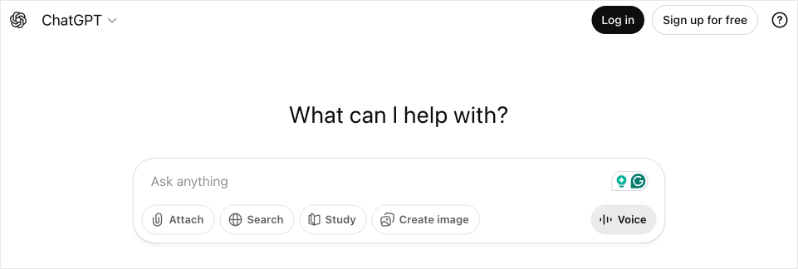
Aquí tienes solo algunos ejemplos de lo que está disponible:
- ChatGPT puede ayudarte a redactar propuestas de subvención, correos electrónicos para donantes y contenido para redes sociales
- Las funciones de IA de Canva pueden crear gráficos y presentaciones profesionales en minutos
- Grammarly utiliza IA para pulir tu escritura y asegurar que tu mensaje sea claro
- Zapier puede automatizar tareas repetitivas entre diferentes aplicaciones que ya utilizas
- Microsoft Copilot puede ayudarte a organizar datos, crear informes y optimizar el trabajo administrativo
Y eso es solo la punta del iceberg. Para un desglose completo de las mejores herramientas de IA para organizaciones sin fines de lucro, incluido lo que hace cada una y cómo usarlas, consulta nuestra guía completa: Mejores herramientas de IA para organizaciones sin fines de lucro.
Impacto real para organizaciones sin fines de lucro
He ahorrado personalmente horas cada semana en tareas administrativas utilizando herramientas de IA. Tareas que antes llevaban una tarde ahora llevan 20 minutos.
Ese tiempo se ha reinvertido en el trabajo que importa: estrategia, relaciones, desarrollo de programas y servicio real a nuestra misión.
Y no soy una excepción. Las organizaciones sin ánimo de lucro de todo el país están descubriendo que la IA no se trata de reemplazar el corazón de su trabajo. Se trata de protegerlo, eliminando la carga administrativa que las ahogaba.
Si no estás seguro de por dónde empezar, he preparado una guía completa llena de explicaciones, consejos prácticos y herramientas gratuitas que puedes empezar a usar hoy mismo:
✨ Lee la guía completa aquí: Guía Definitiva de IA para Organizaciones sin Ánimo de Lucro ✨
No se trata de subirse a una tendencia. Se trata de darte la capacidad de hacer el trabajo por el que entraste en este campo en primer lugar.
💰 Extra: Muchas empresas tecnológicas ofrecen precios y descuentos especiales para organizaciones sin ánimo de lucro. Consulta nuestra Página de Ofertas y Descuentos para Organizaciones sin Ánimo de Lucro para encontrar ahorros en herramientas que ya estás considerando, tanto de IA como de otro tipo.
Una palabra del equipo detrás de esta guía
En Charitable, entendemos los desafíos que enfrentan las organizaciones sin ánimo de lucro porque hemos construido toda nuestra plataforma en torno a la solución de los mismos.
Charitable es un plugin de donaciones para WordPress diseñado específicamente para organizaciones sin ánimo de lucro como la tuya. Está diseñado tanto para pequeñas organizaciones de base como para grandes organizaciones sin ánimo de lucro que gestionan múltiples campañas de recaudación de fondos.
El plugin hace que sea increíblemente sencillo aceptar donaciones, involucrar a los donantes y aumentar tu impacto, sin necesidad de ser un experto en tecnología.
Esto es lo que hace que Charitable sea diferente:
- Fácil de configurar: Crea formularios de donación atractivos en minutos, no en horas
- Recaudación de fondos flexible: Realiza campañas de "peer-to-peer", crowdfunding, donaciones recurrentes y más
- Favorable al donante: Un proceso de pago sencillo y seguro que no envía a los donantes a páginas confusas de terceros
- Diseñado para organizaciones sin ánimo de lucro: Incluye funciones como recibos de donaciones, gestión de donantes y objetivos de campaña
- Asequible: Porque creemos que las herramientas de recaudación de fondos potentes no deberían arruinar tu presupuesto
El equipo detrás de Charitable no solo está creando software, sino que está comprometido a ayudar a las organizaciones sin ánimo de lucro a prosperar en un mundo cada vez más digital. Por eso creamos recursos como esta guía de IA, nuestra página de ofertas y descuentos, y contenido educativo continuo.
Charitable se encarga de las cuestiones técnicas de recaudación de fondos para que puedas centrarte en tu misión. Y ahora, con las herramientas de IA en tu arsenal también, tienes aún más capacidad para lograr el impacto con el que siempre soñaste.
¿Listo para simplificar tu recaudación de fondos?
Estamos tan seguros de que te encantará Charitable que ofrecemos una garantía de devolución de dinero de 14 días. Si por alguna razón no es la opción adecuada, te reembolsaremos, sin hacer preguntas.
¡Charitable tiene más de 1 millón de descargas!
Confiado por millones para impulsar campañas de recaudación de fondos exitosas. Prueba Charitable sin riesgos hoy mismo.
✅ Garantía de devolución de dinero en 14 días
✅ Precios transparentes
✅ Configuración sin código
Mantente conectado para más recursos para organizaciones sin fines de lucro
Para más tutoriales y vídeos adaptados a organizaciones sin fines de lucro, suscríbete a nuestro canal de YouTube. Publicamos regularmente consejos de expertos, guías paso a paso sobre donaciones en línea, estrategias de recaudación de fondos y recursos prácticos para ayudar a tu organización a tener éxito.
🗞️ Recibe consejos semanales y guías exclusivas en tu bandeja de entrada
Únete a nuestro boletín →
🎥 Mira tutoriales paso a paso e historias de éxito
Suscríbete a nuestro canal de YouTube →
👩🏽💻 Conecta con nuestra comunidad y obtén información diaria sobre organizaciones sin fines de lucro
Síguenos en LinkedIn →
🥳 Reels divertidos e información sobre organizaciones sin fines de lucro
Síguenos en Instagram →
👀 Vídeos interesantes y divertidos para ayudarte a hacer crecer tu causa
Síguenos en TikTok→
🌎 Suscríbete y sigue para recibir consejos generales de recaudación de fondos
Obtén consejos de recaudación de fondos en TikTok →
Potentes recursos de recaudación de fondos
⬇️ Descarga estrategias probadas, ideas de campañas y herramientas de expertos
Obtén el Kit de Recaudación de Fondos →
💸 Obtén recursos gratuitos de recaudación de fondos
Ve al Centro de Recaudación de Fondos de Charitable →
¿Tienes preguntas sobre Charitable?
Preguntas frecuentes de Charitable →
🏎️ Prueba Charitable
Crea tu demostración de Charitable →
Comprende la terminología y la jerga de las organizaciones sin fines de lucro
Glosario de organizaciones sin fines de lucro→
% ¿Buscas ofertas y descuentos para organizaciones sin fines de lucro?
Las mejores ofertas y descuentos para organizaciones sin fines de lucro →



Deja una respuesta